Anti-Climb Weldmesh: Narrow-Aperture Welded Mesh for Security Perimeters
The geometry is worth understanding before you write a specification, because the difference between a fence that delays an intruder and one that assists them is often 25 millimetres.
What You Are Actually Ordering
|
Parameter |
Detail |
|
Product |
Narrow-aperture welded wire mesh for security fencing |
|
Also called |
Anti-climb welded mesh, anti-climb mesh, security welded mesh |
|
Security mechanism |
Reduced clear opening — restricts grip, foothold and tool access |
|
Base wire |
Low-carbon mild steel to IS 280 |
|
Coating |
Hot-dip galvanized wire to IS 4826, galvanized before welding |
|
Fabric standard |
IS 4948 : 2020 |
|
Weld |
Electric resistance weld at every intersection |
|
Manufacturer |
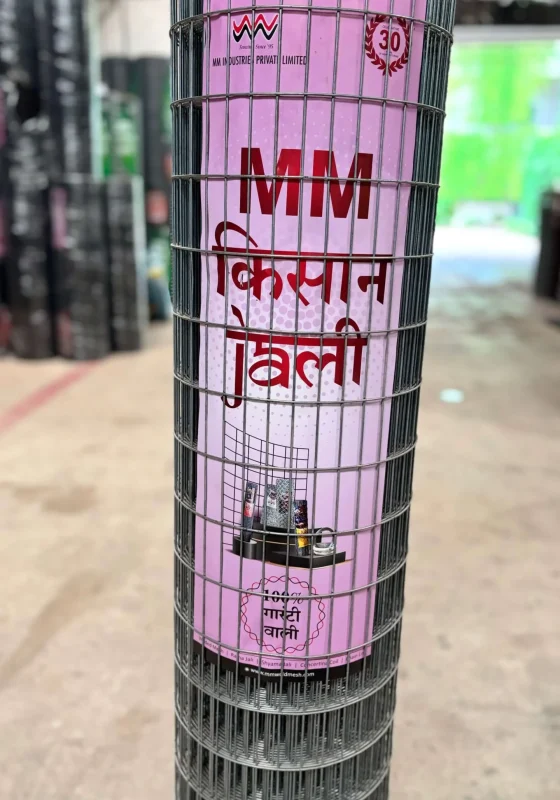
MM Industries Pvt. Ltd., Raipur — ISO 9001 certified, welding mesh since 1995 |
|
Security apertures available |
Since we’re the manufacturer, we can manufacture as per your specifications. |
Why a Narrower Opening Changes the Barrier
Standard fencing mesh at 50 × 50 mm is a ladder. A 4 mm wire on a 50 mm pitch leaves a 46 mm gap — wide enough for a full hand grip and a boot toe on every horizontal wire, all the way up. The panel is doing nothing to slow anyone down.
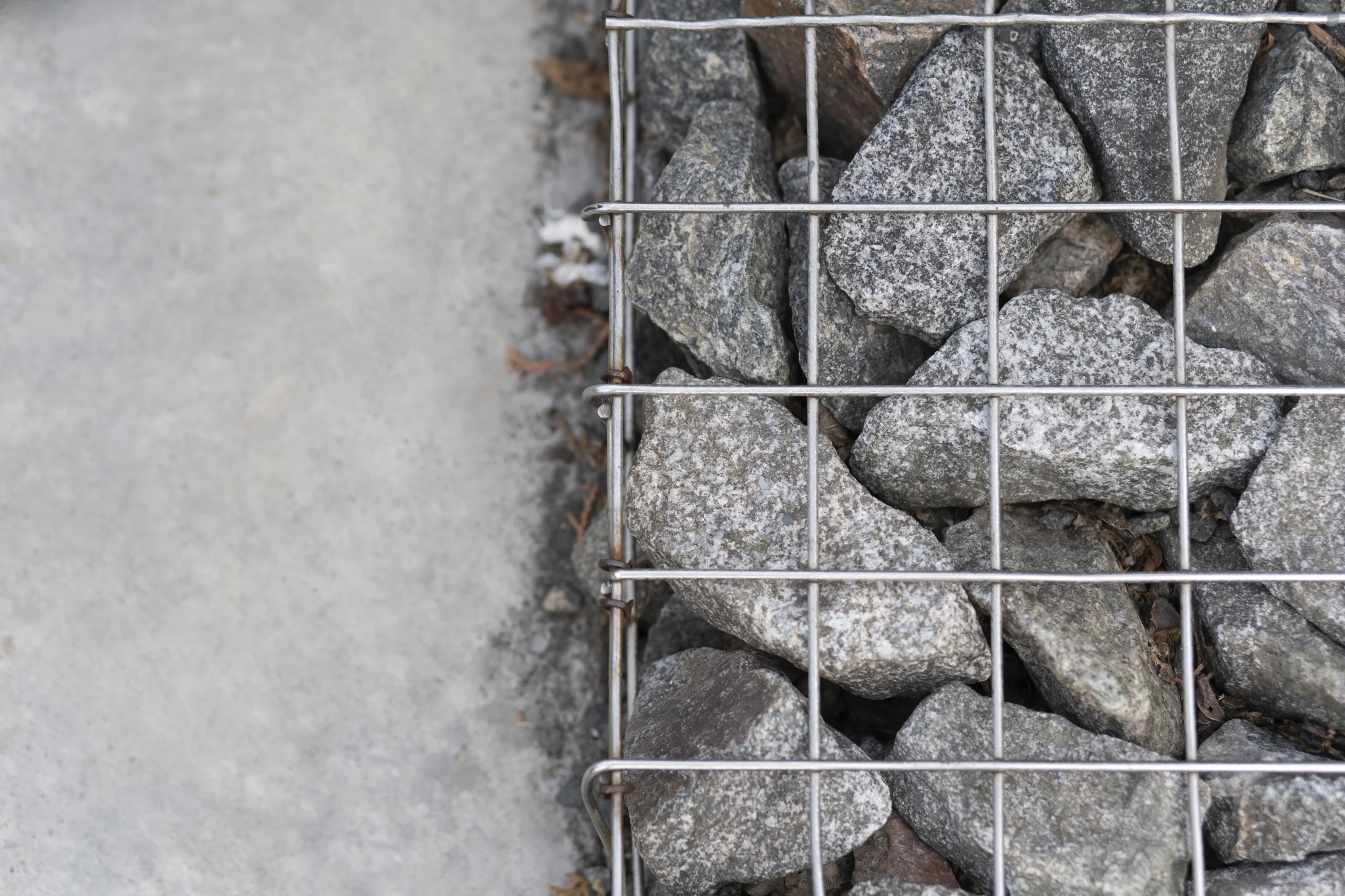
Narrow that opening and three things change at once. There is nowhere to place a foot. There is nowhere to close a hand. And the jaws of a bolt cutter or wire cutter can no longer be passed through the mesh to sit around a wire.
The third point is the one most specifications miss. A cutting tool has to reach the wire before it can cut it. Below a certain clear opening, common hand tools simply cannot get in.
The Number That Decides Everything: Clear Opening
Mesh is quoted centre-to-centre, but what matters physically is the gap between the wires:
Clear opening = mesh pitch − wire diameter
Configuration | Wire | Clear opening, narrow direction | What that means on site |
50 × 50 mm | 4.0 mm | 46 mm | Hand grip and boot toe available. Not a security mesh. |
50 × 25 mm | 4.0 mm | 21 mm | No boot toe. Fingertip purchase only. |
75 × 25 mm | 4.0 mm | 21 mm | No boot toe, denser vertical wire, better panel stiffness. |
76.2 × 12.7 mm (358) | 4.0 mm | 8.7 mm | Below finger entry. Cutter jaws blocked. |
Which Way the Panel Faces Matters More Than Buyers Expect
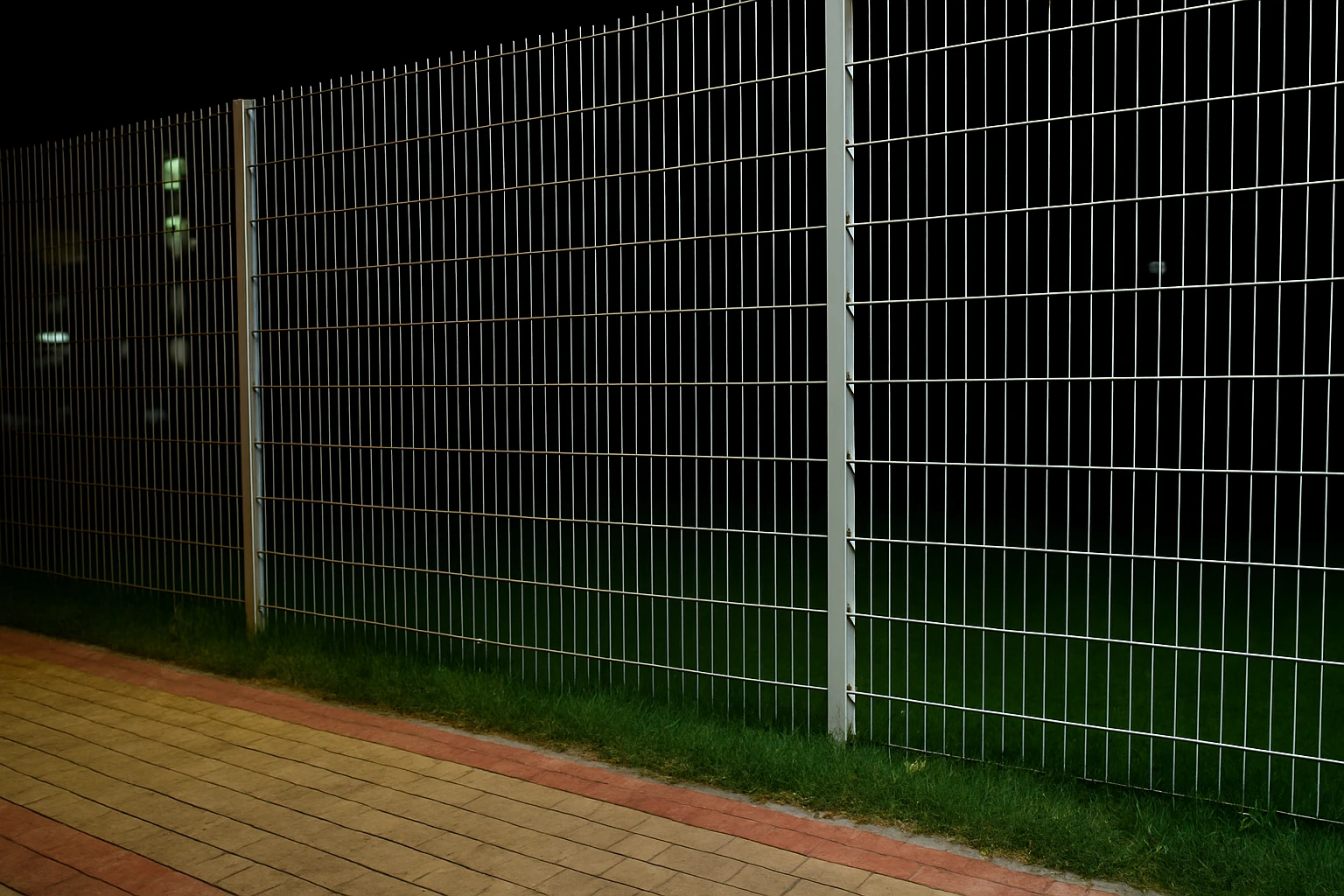
An oblong mesh resists climbing in only one direction. If a 75 × 25 mm panel is installed with the 25 mm pitch vertically, the horizontal wires are spaced 75 mm apart, creating an effective ladder for intruders.
The close pitch should run horizontally, ensuring the tightly spaced wires are underfoot and difficult to climb. Specify the orientation in your purchase order and verify it upon delivery. This simple step prevents a common installation error that can compromise security.
The Number Behind the Name: What "358" Actually Refers To
Anti-climb mesh is often referred to as “358 mesh” or “prison mesh.” The term “358” does not indicate a standard or grade; it refers to the dimensions: 3 inches × 0.5 inches × 8 gauge, or 76.2 mm × 12.7 mm in 4.0 mm wire.
358 mesh is a specific configuration within the anti-climb category, not a synonym for it. All 358 panels are anti-climb mesh, but not all anti-climb mesh is 358.
This distinction is important when reviewing a tender. If the specification states “anti-climb welded mesh” without dimensions, it is not specific and may be quoted with mesh that has a much larger opening. If you require 358 mesh, include the aperture and wire diameter in the BOQ line.
We manufacture narrow-aperture security mesh down to a 25 mm pitch in 4.0 mm wire. We do not currently produce the 12.7 mm pitch used in 358 panels and will inform you at the enquiry stage rather than quote a similar product. If your specification requires 358 mesh and cannot be changed, we will advise you promptly to avoid unnecessary delays in your tender process.
Where a Climb-Resistant Perimeter Earns Its Cost
Narrow-aperture mesh is more expensive per square metre than general fencing mesh due to its higher steel content. This premium is justified when the perimeter serves as the primary security barrier.
- Factories and warehouses holding high-value or easily resold stock
- Substations, switchyards and power plant boundaries, where intrusion is a safety event as well as a security one
- Solar parks and utility sites, typically unmanned and remote
- Railway corridors and transport facilities where trespass is the primary risk
- Institutional and government premises working to a written security specification
- Storage yards and bonded areas where the fence line is the audited control
Narrow-aperture mesh is not cost-effective for long agricultural boundaries, plot demarcation, or locations where the primary purpose is boundary marking rather than security. In these cases, chain link or standard GI weldmesh provides a suitable and more economical solution.
The Fence Is a System, Not Just the Mesh
Specifying only the mesh addresses about one-third of the fence requirements. Most perimeter failures occur in the remaining two-thirds of the specification.
- Height. While aperture prevents climbing, height determines the time required to scale the fence. Perimeter fencing typically starts at 2.4 m, with higher-security installations specified at 3.0 m or more. Reducing height to save costs negates the benefits of the chosen aperture.
- Posts and spacing. Undersized posts undermine panel stiffness. Specify post section and spacing during the design stage rather than on site.
- Fixings. Standard bolts on the exterior can be easily removed with a spanner. Security fixings or inward-facing arrangements should be specified as part of the design, not treated as optional accessories.
- Ground line. Most mesh perimeters are breached from below rather than above. Determine the plinth, kerb, or buried return before placing an order.
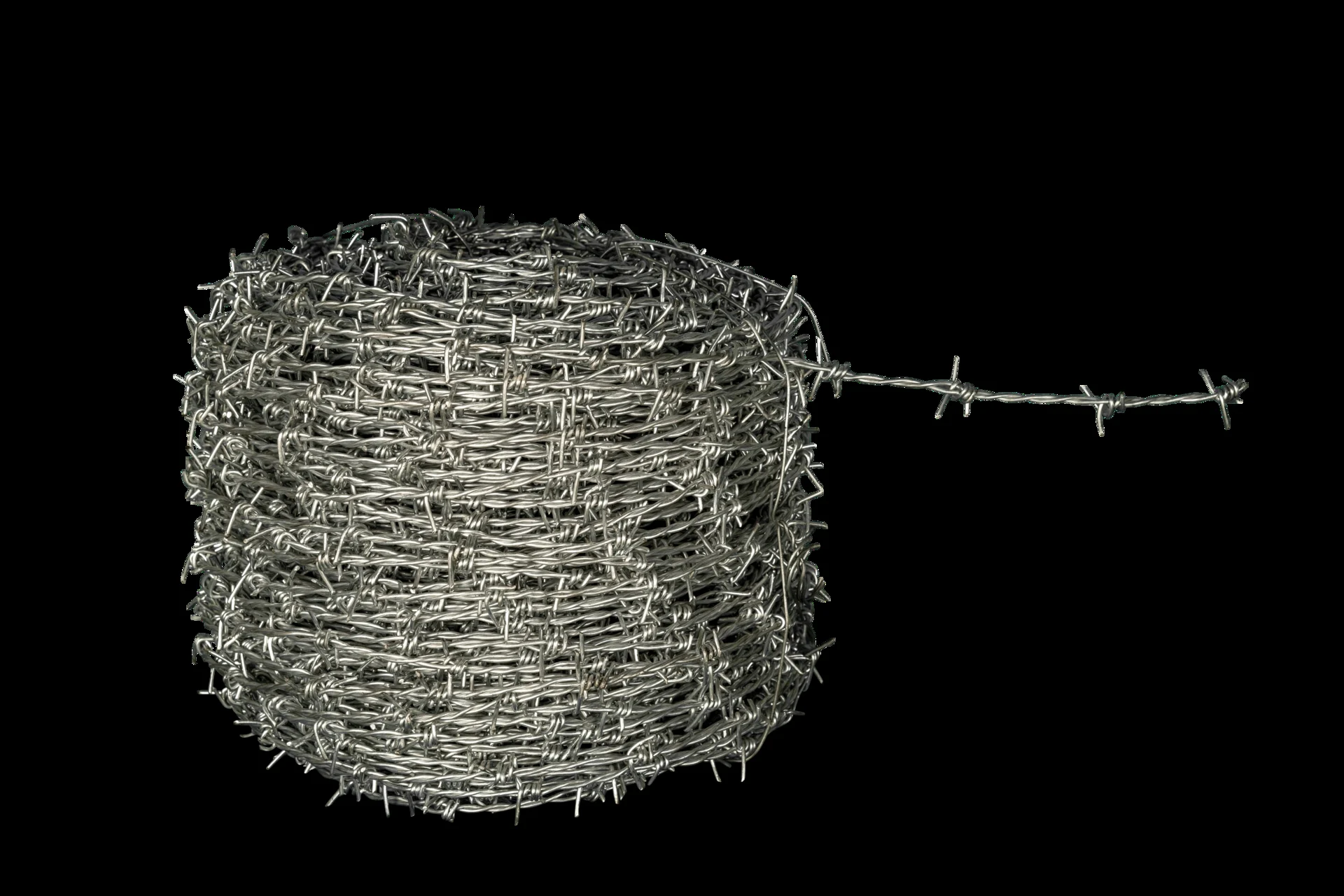
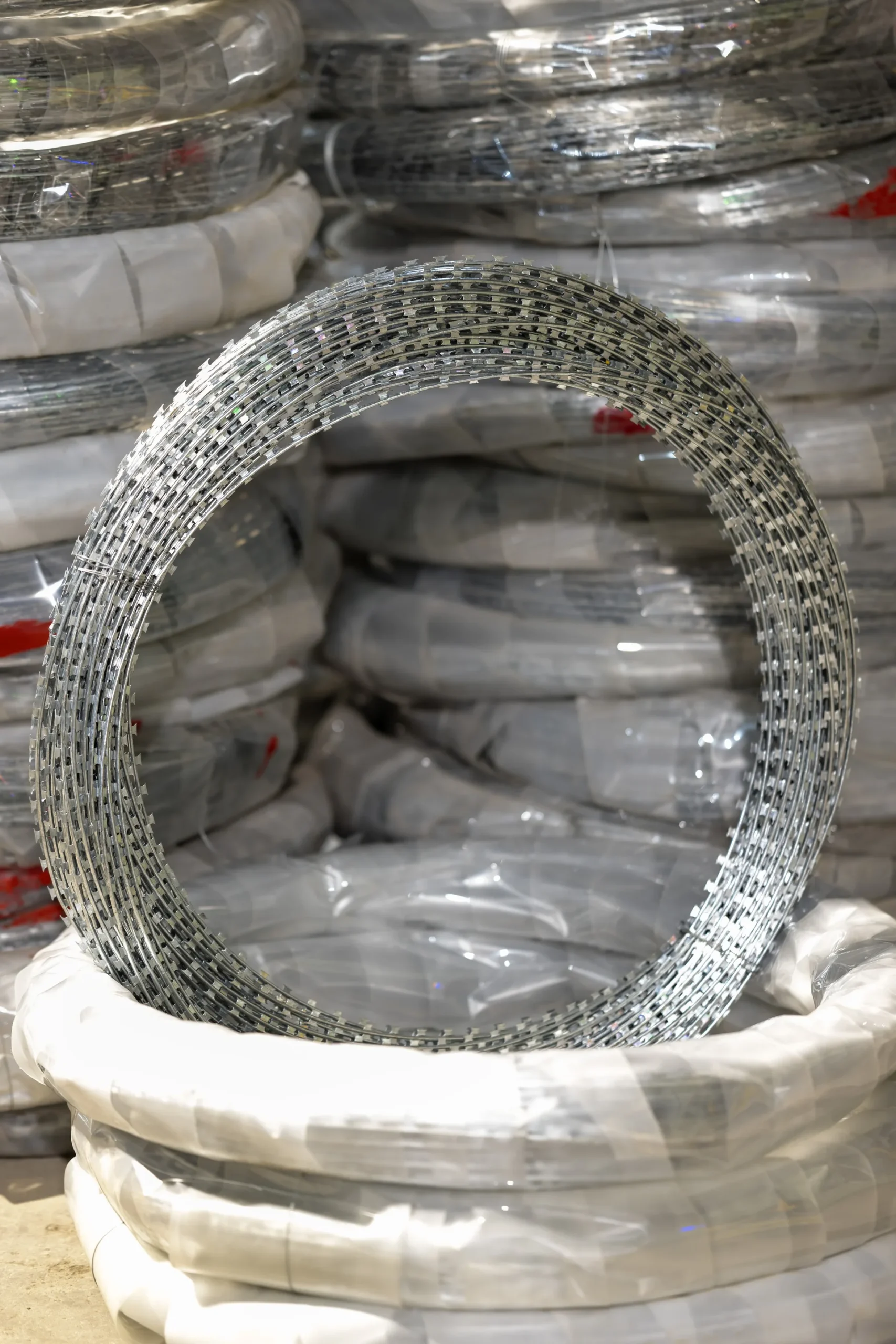
- Topping. Adding concertina or barbed wire on a cranked arm provides an effective and cost-efficient second delay layer, which is why it is common on secure perimeters.
- Coating class. These fences are long-term assets and are often unmanned. Specify the zinc class and mass in g/m² rather than using the term “galvanized.” Our full reasoning is available on the GI weldmesh page.
What We Can Actually Weld
Parameter | Our range |
Security apertures — square | 25 × 25 mm in 2.00 / 2.50 / 3.15 mm wire |
Security apertures — oblong | 50 × 25 mm in 2.50–4.00 mm; 75 × 25 mm in 3.15 / 3.55 / 4.00 mm |
Tightest pitch published | 15 mm in 1.60 mm wire; 20 mm in 2.00 / 2.50 / 3.15 mm wire |
Maximum wire diameter | 4.0 mm |
Base wire | Mild steel to IS 280 : 2006 |
Coating | Hot-dip galvanized wire to IS 4826, class stated on every quotation |
Galvanizing route | Before welding (GBW). We do not run a post-weld galvanizing line. |
Fabric standard | IS 4948 : 2020 |
Weld shear | Min. average 21 kg/mm² on longitudinal wire area, per IS 4948 |
Panel height range | As per your specification |
Panel width | As per your specification |
Customization | Non-standard apertures within the 1.6–4.0 mm wire range, to order |
What to Confirm Before You Release the Order
- Aperture in millimetres, both directions — not “3 × 0.5 inch,” not “anti-climb mesh”
- Wire diameter, both directions
- Panel orientation — which pitch runs horizontally
- Panel height and width, and whether a plinth or buried return is included
- Zinc coating class and mass in g/m², referencing IS 4826
- Fabric standard — IS 4948: 2020
- Post section, centres and foundation detail
- Fixing type and which face the fixings sit on
- Topping, if any, and the arm detail
- Test certificates required — wire mill certificate and weld shear report
Please provide the BOQ line or drawing. If any information is incomplete or inconsistent, we will notify you before quoting to ensure accuracy.
Where Anti-Climb Weldmesh Is the Wrong Answer
Some suppliers claim this product is impossible to climb or cut. This is inaccurate, and security professionals are likely to disregard other information as a result.
A narrow-aperture mesh fence provides delay by preventing easy methods such as bare-handed climbing and quick hand-tool cutting. It forces intruders to use slower, noisier, and more visible techniques. Delay is only valuable if supported by a patrol, camera, alarm, or response.
It is the wrong product when:
- If there is no response capability, delay simply results in a longer wait without improving security.
- Mesh fencing does not stop vehicle-borne threats. For these risks, consider bollards, blocks, or crash-rated gates.
- If visual screening is required, note that these panels are intentionally see-through. This benefits CCTV but is unsuitable where privacy is needed.
- If the requirement is only to mark a boundary, chain link or standard fencing mesh is more appropriate for long land boundaries.
For chemically aggressive or permanently wet sites, zinc coatings have limitations, as detailed on our GI weldmesh page. Please consult us before selecting galvanized mesh.
Frequently Asked Questions


Related Products
CALCULATOR
Calculators to estimate welded mesh weight and fencing boundary length based on your requirements.
BOUNDARY CALCULATOR
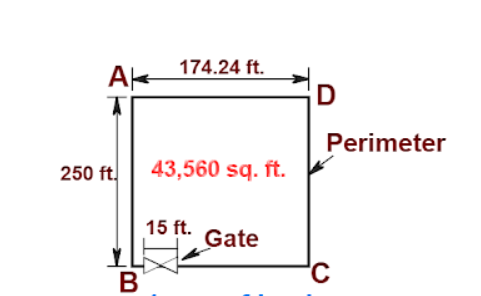
CALCULATE BOUNDARY LENGTH