
Weldmesh (Welded Wire Mesh) Manufacturer in India | MS & GI Weldmesh Solutions
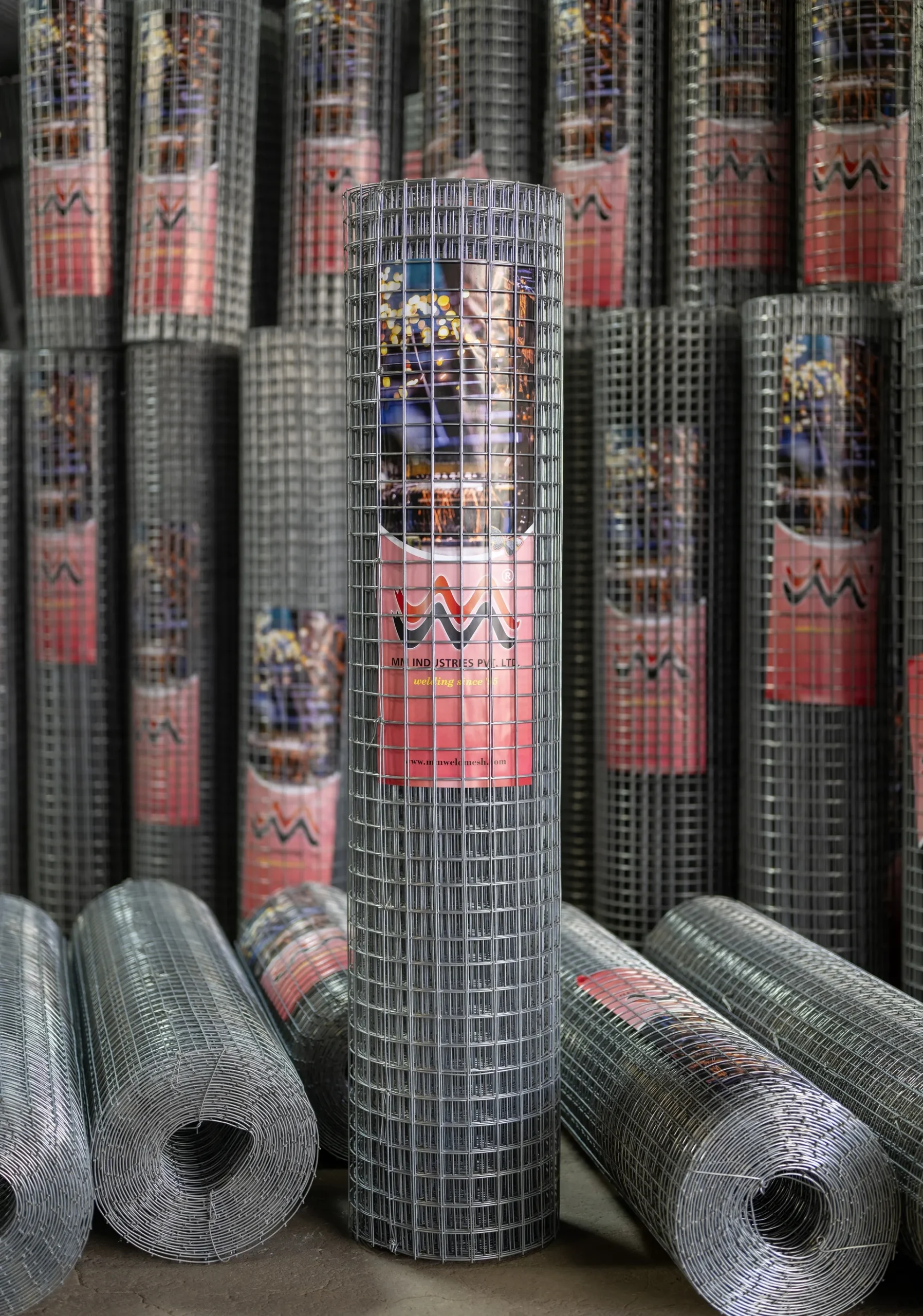
Weldmesh is a prefabricated steel grid produced by resistance-welding longitudinal and cross wires at each intersection. This process creates a rigid, dimensionally accurate mesh that is delivered ready for installation. As a result, weldmesh has increasingly replaced hand-tied bar arrangements in slabs and screeds, as well as woven mesh in fencing throughout Indian construction.
MM Industries has manufactured welded wire mesh in Raipur, Chhattisgarh since 1995. For nearly thirty years, we have supplied MS and GI weldmesh to contractors, builders, poultry farms, mines, railways, and government departments across India. This page provides essential information for specifiers and buyers, including manufacturing processes, available types, technical specifications, comparisons with rebar, chain link, expanded metal, and hexagonal mesh, as well as guidance on selecting the appropriate mesh for your project.
Contractors choose weldmesh over loose bars for three main reasons: fixed spacing that remains stable during concreting, faster placement requiring less skilled labor, and reduced wastage since panels are pre-cut to size. For fencing, welded joints provide greater stiffness than woven alternatives.
Quick Facts
| Parameter | Detail |
| Material | Mild steel (MS), galvanized iron (GI) |
| Manufacturing process | Mill-certified drawn wire, electric resistance welding at every intersection |
| Wire diameter | 1.6 mm to 4 mm |
| Mesh opening | 25×25 mm to 150×150 mm (square and rectangular) |
| Supply formats | Panels (sheets) and rolls; height up to 8 ft, custom sizes available |
| Applications | RCC slab and screed reinforcement, fencing, poultry cages, machine guards, partitions, gabion facing |
| Finishes | Self (black), Galvanized |
| Relevant standards | IS 4948, IS 1566, IS 280, IS 4826; ASTM A1064 for export enquiries |
| Typical lifespan | MS indoors: 10–15 yrs; GI outdoors: 15–25 yrs depending on coating class and environment |
| Customization | Wire dia, aperture, panel size, roll length, coating |
| Manufacturer | MM Industries Pvt. Ltd., Raipur — ISO 9001 certified, since 1995, pan-India dispatch |
What is Weldmesh?
The grid consists of line wires running the panel’s length and cross wires running across it. At each intersection, a welding machine applies current and pressure, fusing the wires without filler metal or a separate welding rod. Since the weld uses the parent metal, joint strength relies on wire quality and machine calibration, not operator skill.
This distinguishes weldmesh from woven products. In chain link or hexagonal mesh, wires are twisted or interlocked and may shift under load. In weldmesh, the aperture is fixed at the factory. A 50×50 mm opening remains consistent through transport, handling, and concreting.
Quality control for weldmesh occurs at three stages: verifying incoming wire for diameter tolerance and tensile strength, conducting weld shear tests on sample intersections, and performing final inspections for aperture size, panel squareness, and flatness. Mesh that fails weld shear testing is scrapped and not sold as “commercial grade.”
Key takeaways: Weldmesh is resistance-welded at every intersection, features fixed and uniform openings, and is defined by its rigidity and dimensional accuracy.
How Weldmesh is Manufactured?
Weldmesh quality is determined well before welding begins, and most of it is set by the input wire. Our Raipur plant follows an eight-stage process.
- Wire procurement. Production begins with cold-drawn low-carbon steel wire sourced from established steel producers, supplied against mill test certificates covering chemistry, diameter and tensile strength. We buy certified drawn wire rather than drawing our own, because dedicated drawing lines hold diameter tolerance more consistently than drawing run alongside mesh production. Low carbon content is what keeps the wire weldable and ductile, so grade is fixed at the purchase order stage rather than corrected on the shop floor.
- Incoming inspection. Every consignment is checked before it reaches the welding line. Diameter is measured with a micrometer at several points along the coil against the 1.6 mm to 4 mm working range, tensile and bend behaviour is verified against the mill certificate, and GI wire is checked for coating uniformity. Coils outside tolerance are rejected rather than blended into production. Undersized wire costs the buyer twice, because it fails the strength calculation and it fails the weight per square metre the quotation was built on.
- Straightening and cutting. For panels, drawn wire is straightened and cut to length for line and cross wires. For rolls, line wire is fed continuously from spools.
- Resistance welding. Cross wires drop onto the line wires at the set pitch. Electrodes clamp each intersection and pass a controlled current pulse. Current, pressure, and weld time are set per wire diameter; too little current gives a cold joint that snaps under shear, too much burns the wire section down at the weld.
- Mesh formation. Automatic feeders index the mesh forward one pitch at a time, so aperture accuracy is machine-governed, not operator-dependent.
- Quality inspection. Sample intersections undergo shear testing. Aperture, diagonal squareness, and flatness are measured against specified tolerances. Wire diameter is re-verified on the finished mesh.
- Surface finishing. GI weldmesh is produced from GI-coated wire, zinc-coated according to IS 4826 before welding. Weld current and time are set by gauge to maintain coating integrity at each joint.
- Cutting and packaging. Panels are cut to sheet size and strapped in bundles; rolls are compacted and wrapped for transport.
Key takeaways: Certified input wire sets base strength and honest weight per square metre; weld parameters set joint strength; GI protection comes from the coated wire, so the wire’s zinc class decides outdoor life.
Types of Weldmesh
MM Industries offers the following weldmesh variants, each detailed on its respective page.
MS Weldmesh
Mild steel weldmesh in an uncoated finish is ideal for concrete reinforcement and indoor applications. When embedded in concrete or a painted frame, the environment protects the steel, making galvanizing unnecessary. MS weldmesh is also the most cost-effective choice for temporary works and fabrication.
GI Weldmesh
Galvanized weldmesh is made from GI coated wire, where the zinc layer provides sacrificial protection to the steel. It is recommended for outdoor use, including boundary fencing, poultry cages, tree guards, and partitions. The coating class (light, medium, or heavy as per IS 4826) determines service life, not just the term “GI.”
Welded Mesh Panels
Flat sheets, typically up to 8 ft in height and available in wire diameters from 2.5 mm to 4 mm, are suitable for slab reinforcement, rigid fencing, gates, partitions, and racks where flatness is important.
Welded Mesh Rolls
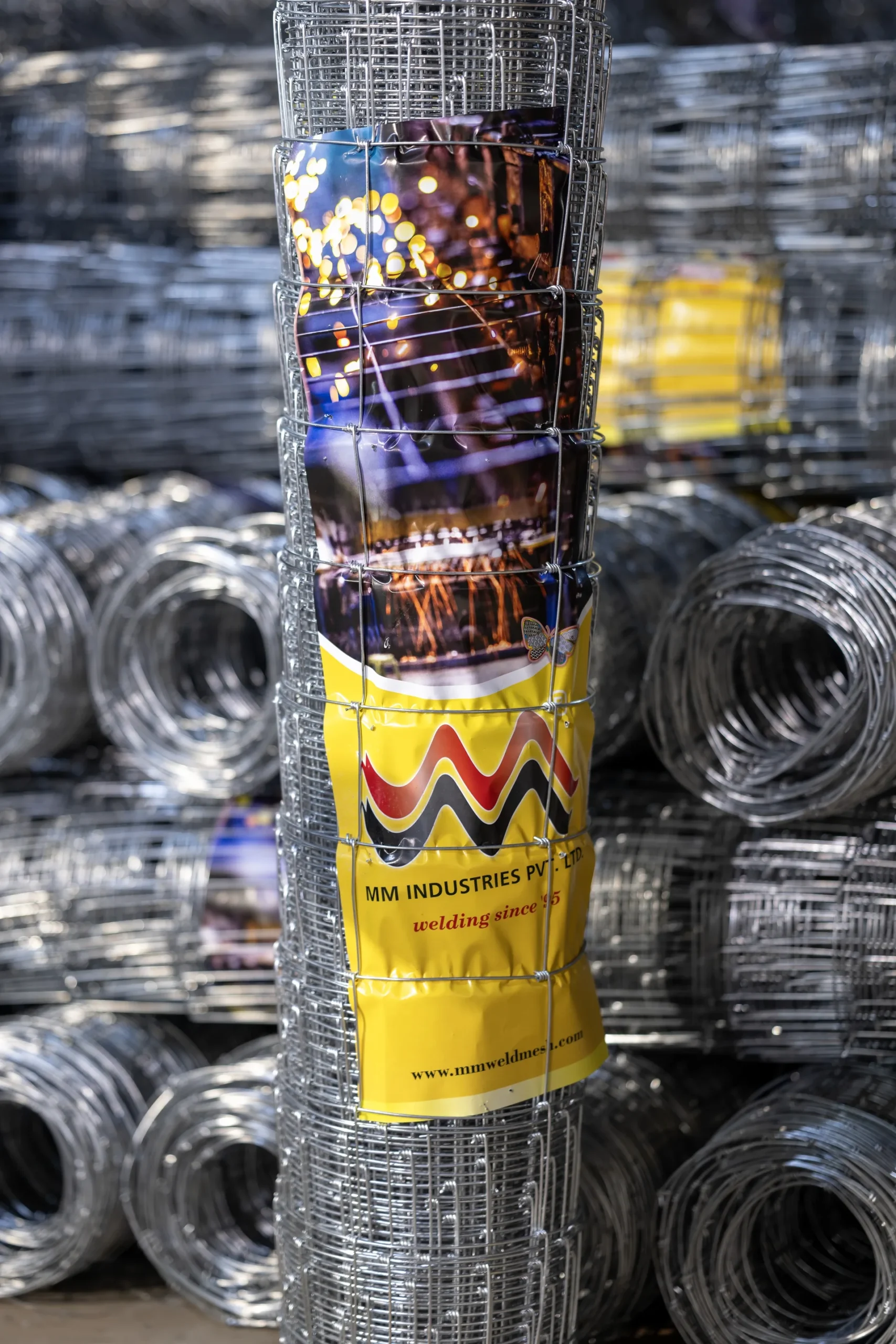
Continuous mesh in roll form, typically using lighter wire (1.6 mm to 3 mm), is designed for long fencing runs, poultry applications, and plastering. Rolls offer faster installation and lower shipping costs per running metre compared to panels.
Applications of Weldmesh
- Construction is the largest application segment. Weldmesh is used as secondary reinforcement in RCC slabs and screeds, as crack-control mesh in industrial flooring and pavements, and as reinforcement in precast elements such as drain covers, fencing posts, and panels. It also serves as mesh for shotcrete and guniting on slopes, tunnels, and canal linings. In road and bridge projects, it reinforces kerbs, medians, and approach slabs.
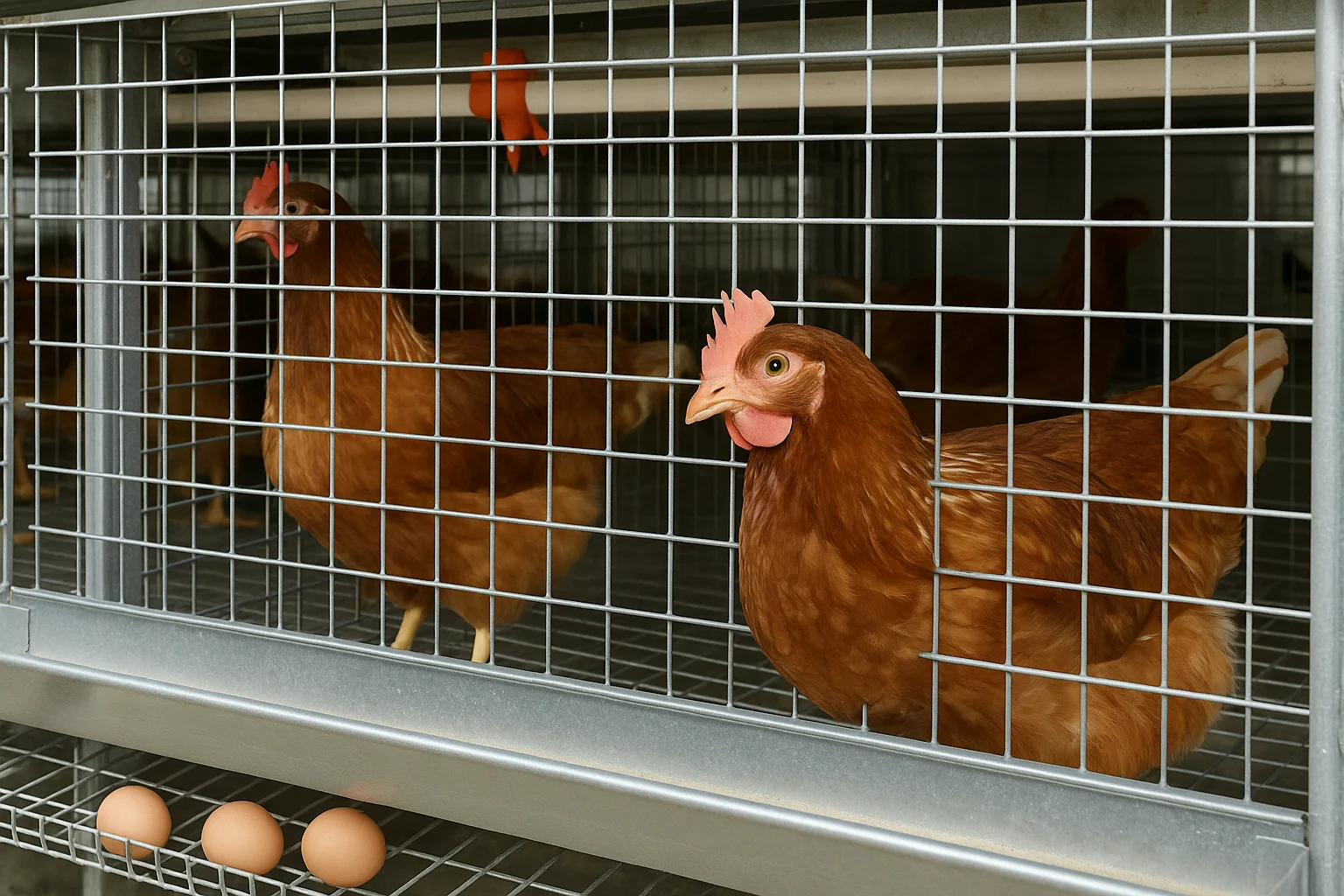
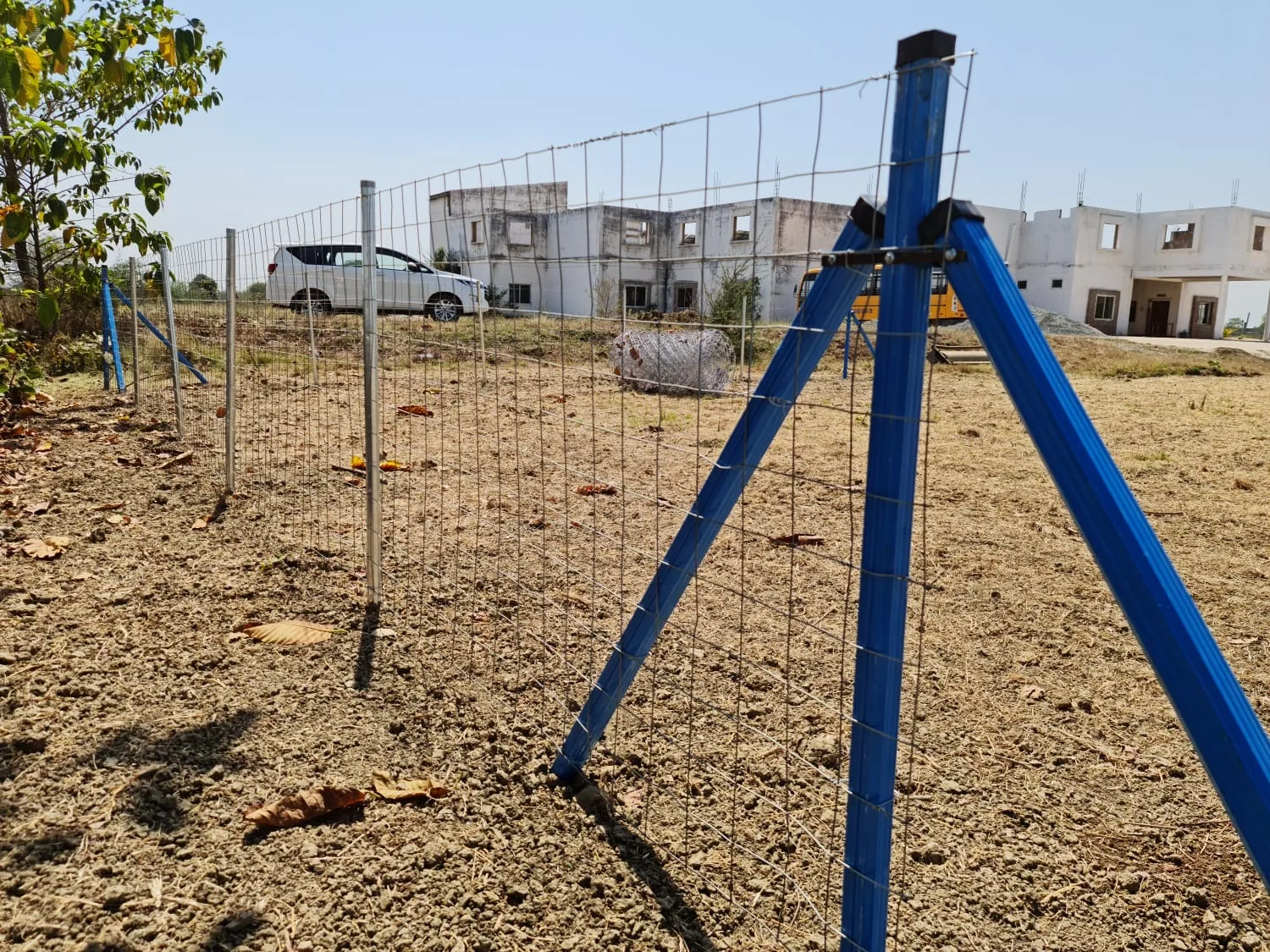
- In agriculture and poultry, GI weldmesh is used for poultry cage floors and partitions, animal enclosures, tree guards, vine and creeper support, and farm boundary fencing. Small apertures of 12.5 to 25 mm in light GI wire are preferred for poultry applications, while 50×50 mm and 75×75 mm apertures are used for general farm fencing.
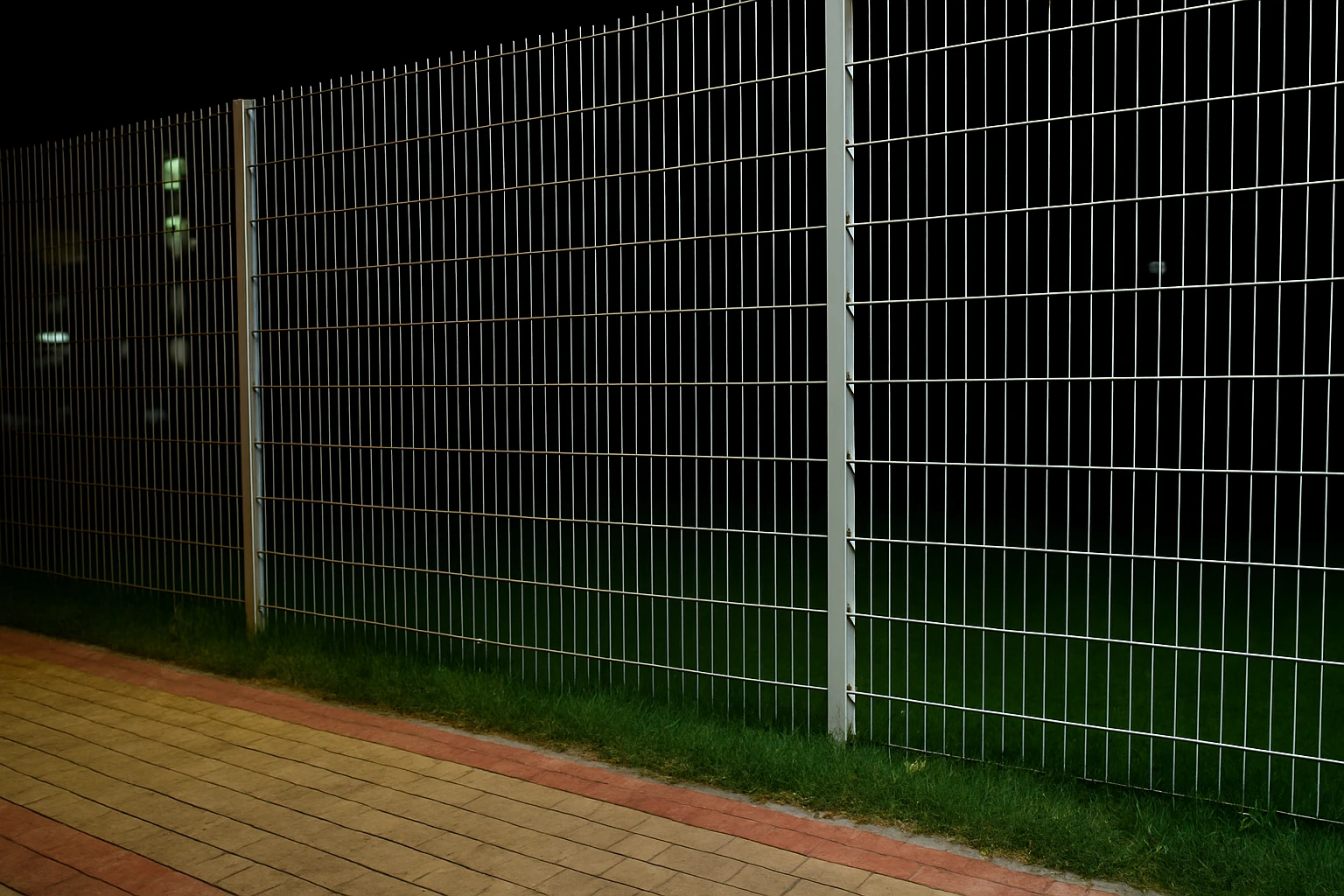
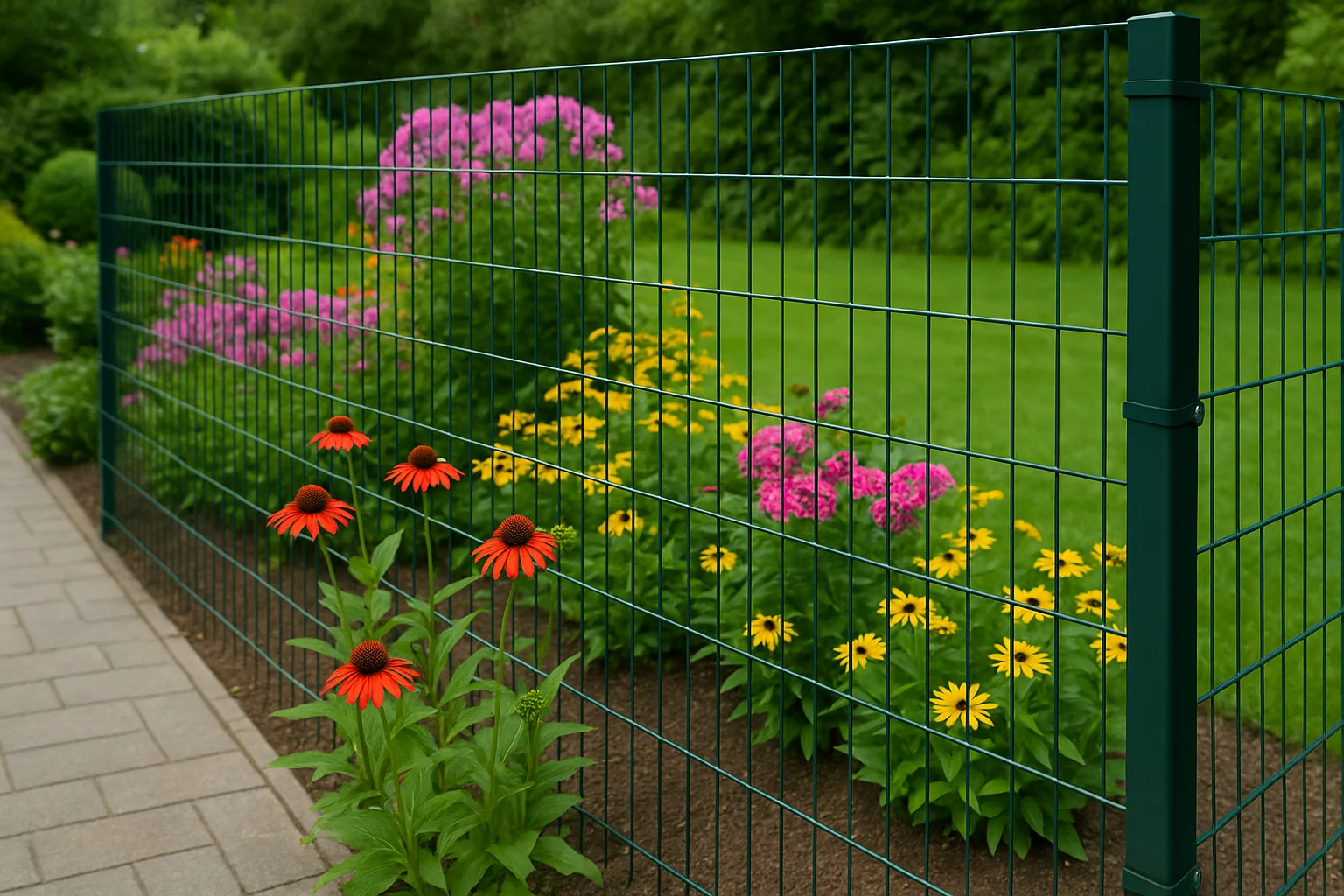
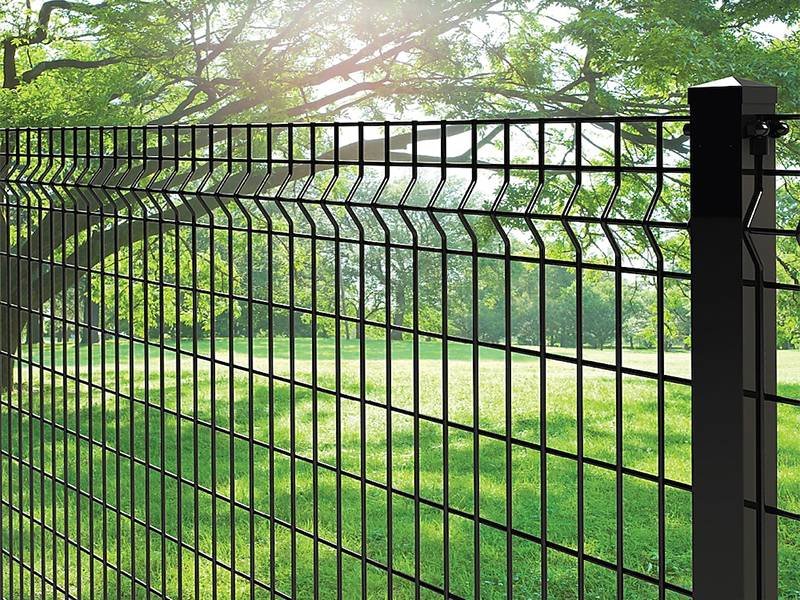
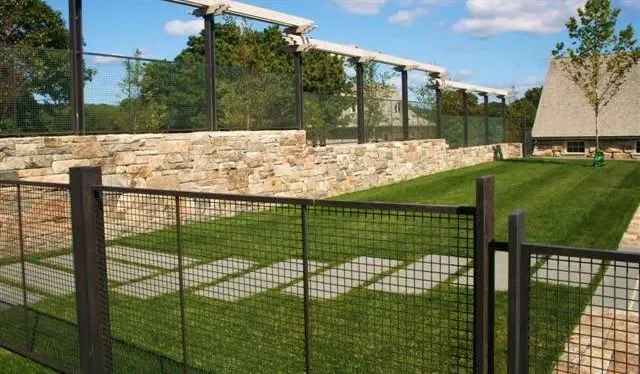
- For security and fencing, weldmesh panels are installed around factories, warehouses, plots, schools, and substations. They offer better resistance to climbing and cutting than chain link at a similar cost. Smaller apertures of 50×50 mm and below eliminate toe-holds.
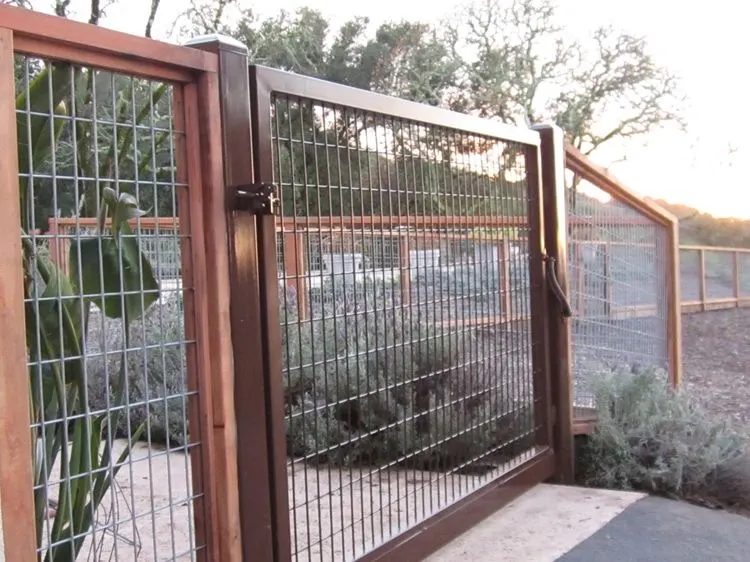
- In industrial settings, weldmesh is used for machine safety guards, storage partitions, cable trays, racks, window grills, and locker fronts. Fabricators prefer it over woven mesh because it cuts and welds cleanly into frames.
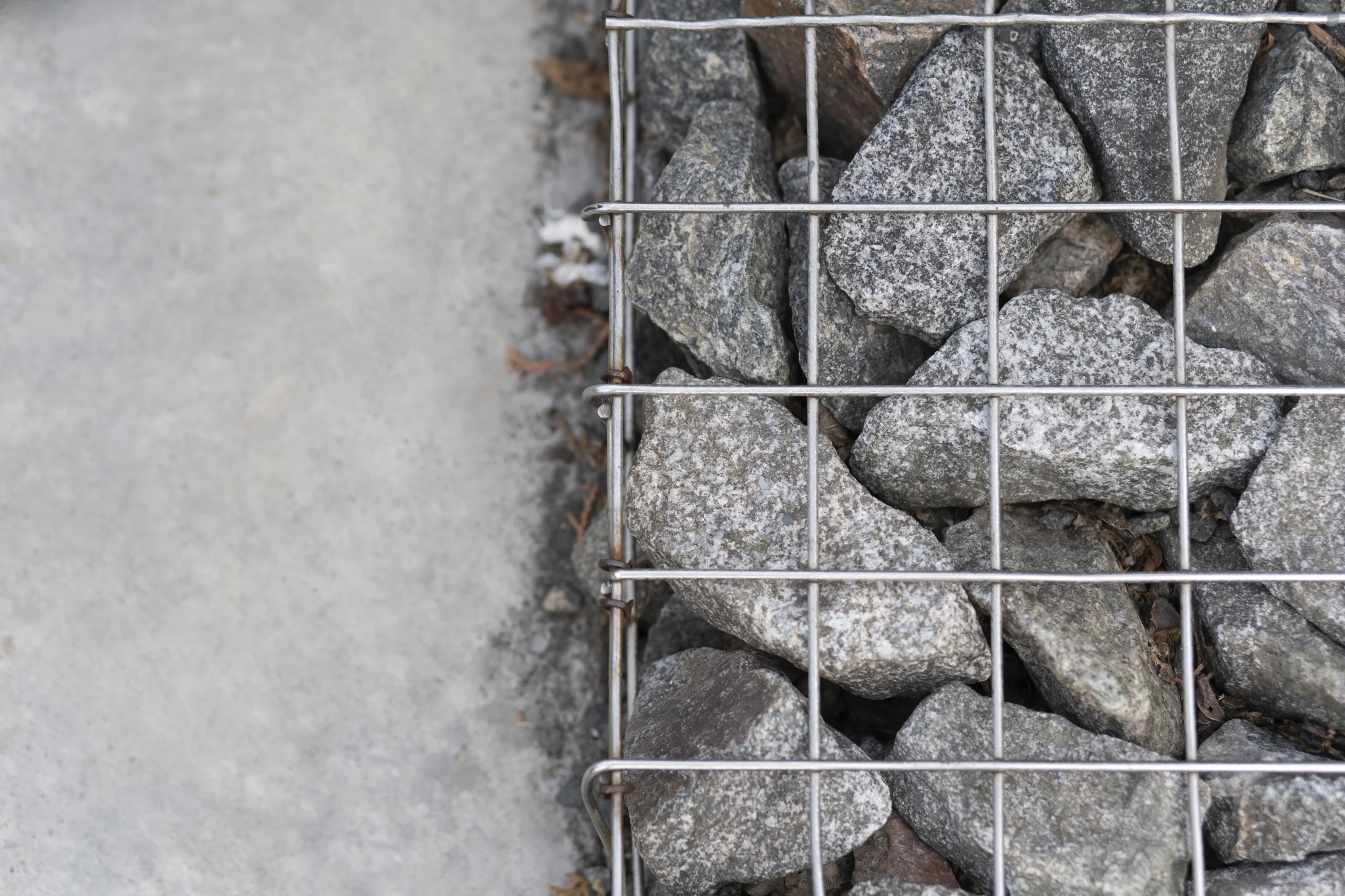
- In infrastructure and mining, weldmesh is used for rock-fall protection and strata support in mines, fencing along railway corridors, perimeter security for power plants and airports, and as facing mesh for gabion and soil-retention structures, often in combination with our double-twisted mesh products.
Key takeaways: A single product line covers structural reinforcement, fencing, agriculture, and fabrication. Suitability for each application depends on wire diameter and aperture, rather than mesh type.
Features of Weldmesh
- Uniform openings. Machine-indexed pitch maintains aperture tolerance across the entire panel, ensuring consistent load distribution in concrete and a uniform appearance in fencing.
- High weld strength. Each intersection forms a structural joint, allowing loads applied anywhere on the mesh to distribute evenly throughout the grid.
- Dimensional accuracy. Panels arrive square and flat, allowing direct installation to formwork or fence posts without on-site correction.
- High tensile strength. Cold-drawn wire exceeds the strength of hot-rolled rod, enabling thinner sections to perform the same function.
- Corrosion resistance. Panels are available galvanized for durability in exposed environments.
- Fast installation. A two-person crew can install mesh significantly faster than cutting, bending, and tying loose bars.
- Low wastage. Panels manufactured to size eliminate offcuts and reduce the risk of site theft of loose steel.
- Rigidity. Panels remain flat during handling, and fencing stays taut without additional tensioning systems.
- Easy fabrication. Panels can be cut with a disc or bolt cutter and welded to angle or pipe frames without special preparation.
Benefits of Weldmesh
The features outlined above result in significant savings of both time and money on your project.
- Faster completion: Mesh placement eliminates the bar-bending and tying stage from slab cycles. On repetitive floors, this directly shortens the concreting schedule.
- Lower labour costs: Installing mesh requires semi-skilled labor, unlike tying rebar to precise spacing. This reduces both man-days and the need for higher skill premiums.
- Consistent structural performance: Factory-fixed spacing ensures accuracy, eliminating the risk of mis-tying on site. Each square metre of slab receives the specified amount of steel.
- Improved site safety: Reduced on-site cutting and less handling of loose bars enhance overall safety.
- Lower lifecycle cost in fencing. A GI weldmesh fence needs no re-tensioning and, with the right coating class, no recoating for a decade or more.
- Reduced wastage: Made-to-size supply typically saves 3–5% of steel compared to site-cut bars.
Request a Quote → Send your drawing or quantity; our team responds with specification and price within one working day.
Technical Specifications
| Parameter | Range / Value |
| Wire diameter | 1.6 mm to 4 mm (SWG equivalents on request) |
| Mesh opening | 25×25 mm to 150×150 mm; rectangular apertures (e.g. 75×25 mm) available |
| Panel height | Up to 8 ft standard; custom heights on order |
| Panel length | Made to order; common sheets 8’×4′, 10’×5′ |
| Roll length | 15 m / 30 m standard; custom on order |
| Material | Low-carbon mild steel per IS 280; GI wire zinc-coated per IS 4826 |
| Tensile strength | 380–550 N/mm² typical for drawn MS wire; hard-drawn reinforcement fabric per IS 1566 ≥ 570 N/mm² |
| Weld shear | Sample-tested per IS 4948 / IS 1566 requirements |
| Zinc coating | GI coated wire, light / medium / heavy class per IS 4826 |
| Surface finish | Self, Galvanized |
| Governing standards | IS 4948 (welded steel wire fabric, general use), IS 1566 (hard-drawn steel wire fabric for concrete reinforcement), ASTM A1064 for export specifications |
| Weight | Calculated per wire dia and aperture |
Weight per square metre is a function of wire diameter squared and aperture pitch. Rather than publishing a partial chart, we maintain a live mesh weight calculator covering square and rectangular apertures in mm and SWG.
Need a specification checked? Talk to our technical team → before you finalise the BOQ.
MS Weldmesh vs GI Weldmesh
This is the most common specification question we get, and the answer is not “GI is better”. It is a service-environment decision.
| Factor | MS Weldmesh | GI Weldmesh |
| Manufacturing | Mill-certified MS wire, welded, supplied in self finish | GI coated wire (zinc-coated per IS 4826) welded into mesh |
| Corrosion resistance | Rusts on atmospheric exposure; protected inside concrete or paint | Zinc layer corrodes sacrificially before steel; coating class decides service life |
| Cost | Base price | Typically 15–30% over MS depending on coating class and zinc price |
| Best applications | RCC slab/screed reinforcement, precast, indoor partitions, guards, fabrication | Boundary fencing, poultry cages, tree guards, coastal or humid sites, anything unpainted outdoors |
| Lifespan | 10–15 yrs indoors / inside concrete; months if left bare outdoors | 15–25 yrs outdoors; heavy coating in rural inland climates can exceed this |
| Maintenance | Needs paint or embedment for protection | Nil for the life of the zinc layer |
| Strength | Identical wire, identical weld strength | Identical; zinc adds protection, not strength |
| Outdoor use | Only if painted, and repainted | Correct choice |
| Indoor / embedded use | Correct, most economical choice | Works, but you pay for zinc you do not need |
Which one should you choose?
- Mesh going inside concrete (slabs, screeds, precast): MS. Concrete’s alkalinity protects steel; galvanizing is wasted money here.
- Mesh exposed to weather without paint (fencing, cages, guards outdoors): GI, and specify the coating class, not just “GI”.
- Coastal, industrial-fume, or permanently damp sites: heavy-coating GI at minimum.
- Painted fabrication (grills, gates that will be primed and painted): MS is acceptable if surface prep is honest; GI if repainting discipline is doubtful.
Unsure? Send us the application → and we will recommend MS or GI with a coating class, in writing.
Weldmesh vs Traditional Rebar
| Factor | Weldmesh | Loose rebar |
| Spacing accuracy | Fixed at factory | Depends on bar-bender and supervision |
| Placement speed | Lay and lap panels | Cut, bend, place, tie every bar |
| Labour | Semi-skilled, fast | Skilled, slow |
| Wastage | Minimal, made to size | 3–5% typical in cutting |
| Heavy sections (>8 mm) | Not the right product | Correct choice |
| Typical use | Crack control, distribution steel, light slabs | Beams, columns, footings, heavy slabs |
For a warehouse floor or plot-boundary foundation strip, mesh is faster and more consistent. For a column cage, use bars. Most projects use both.
Weldmesh vs Chain Link
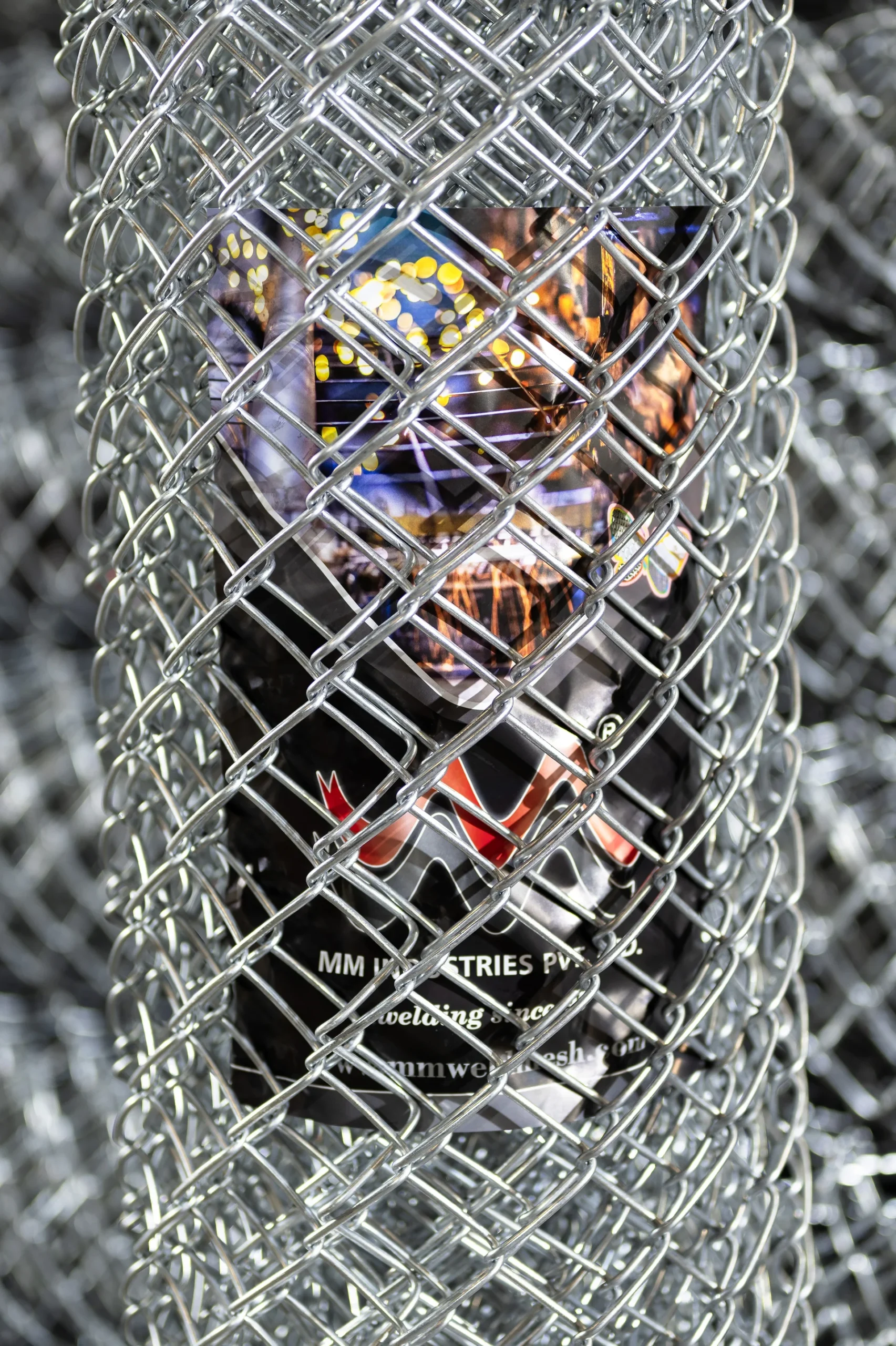
Chain link is woven, weldmesh is welded, and that single difference drives everything else. Chain link flexes, follows uneven ground, and is cheaper per square metre in comparable GI wire; it needs straining posts and tensioning, and a cut strand can unravel along the fence. Weldmesh is rigid, holds its aperture, resists climbing and cutting better, and installs as self-supporting panels, at a somewhat higher material cost. Rule of thumb: long agricultural or plot boundaries on a budget, chain link; security perimeters, machine guards, cages, and anywhere stiffness or small fixed apertures matter, weldmesh.
Weldmesh vs Expanded Metal
Weldmesh vs Hexagonal Mesh
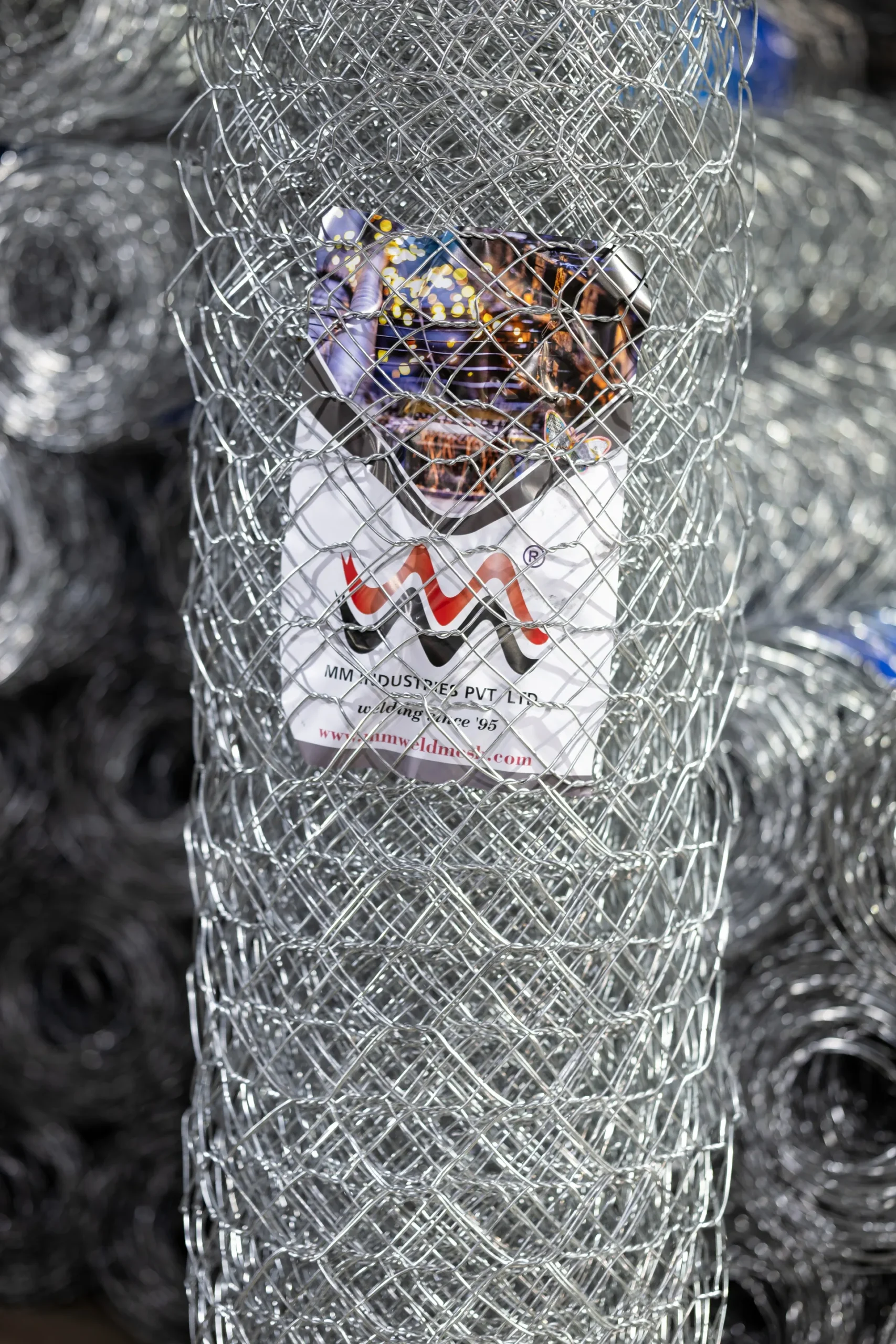
Hexagonal (chicken) mesh is twisted from thin wire, usually 0.4–1 mm, into flexible hex openings. It is light, cheap, and drapes over any shape, which is why it survives in plastering support and small poultry runs. It has no meaningful rigidity or security value and sags between supports. Weldmesh in 1.6–2.5 mm GI wire costs more but stays flat, carries load, and outlasts hex mesh several times over in cage and enclosure duty. If the mesh must hold a shape or take any impact, weldmesh. For our heavier double-twisted hexagonal products used in gabions, see Gabion / Double Twisted Mesh.
Weldmesh Buying Guide
Selection comes down to five decisions, in this order:
- Application class. Reinforcement (embedded in concrete), fencing (exposed), enclosure/cage (exposed, small aperture), or fabrication (framed). This decides MS vs GI before anything else.
- Wire diameter. Heavier wire for structural duty and security fencing (4 mm), medium for general fencing and partitions (2.5–4 mm), light for cages and plaster mesh (1.6–2.5 mm). Diameter drives both strength and price per square metre, so do not over-specify by habit.
- Mesh opening. Small apertures (12.5–25 mm) for poultry and anti-climb duty, 50×50 mm as the general fencing standard, 75–150 mm for reinforcement where the aperture matches bar-spacing requirements in the drawing.
- Environment. Inland dry, inland humid, industrial, coastal. Each step up demands a heavier zinc class or a coating change. A “GI” mesh with a light electro-galvanized layer will not behave like hot-dip heavy coating at the coast.
- Format and budget. Panels for rigidity and structural work; rolls for long runs and lighter duty. Get the weight per square metre from the calculator and compare quotes on weight and coating class, never on “per square metre” price alone.
Common mistakes while selecting weldmesh
- Buying “GI” without specifying zinc coating class, then comparing quotes across different coatings.
- Comparing prices per square metre across different wire diameters. A cheaper quote is often just thinner wire.
- Specifying GI for mesh that will be buried in concrete.
- Using aperture larger than the smallest animal or object it must stop.
- Ignoring weld shear quality. A mesh that pops welds during handling was never tested.
- Ordering rolls where panel flatness is required, then paying labour to fight the curl.
Procurement checklist
Wire diameter (measured, not nominal) · aperture · MS/GI and coating class per IS 4826 · panel/roll dimensions · governing standard (IS 4948 or IS 1566 for reinforcement duty) · weight per m² · test certificate requirement · delivery schedule.
Request a Quote → with this checklist filled in and we will return a like-for-like offer, or apply for dealership for trade pricing.
Industries We Serve
- Construction and infrastructure contractors: reinforcement fabric, fencing panels, gabion facing; bulk schedules against project timelines.
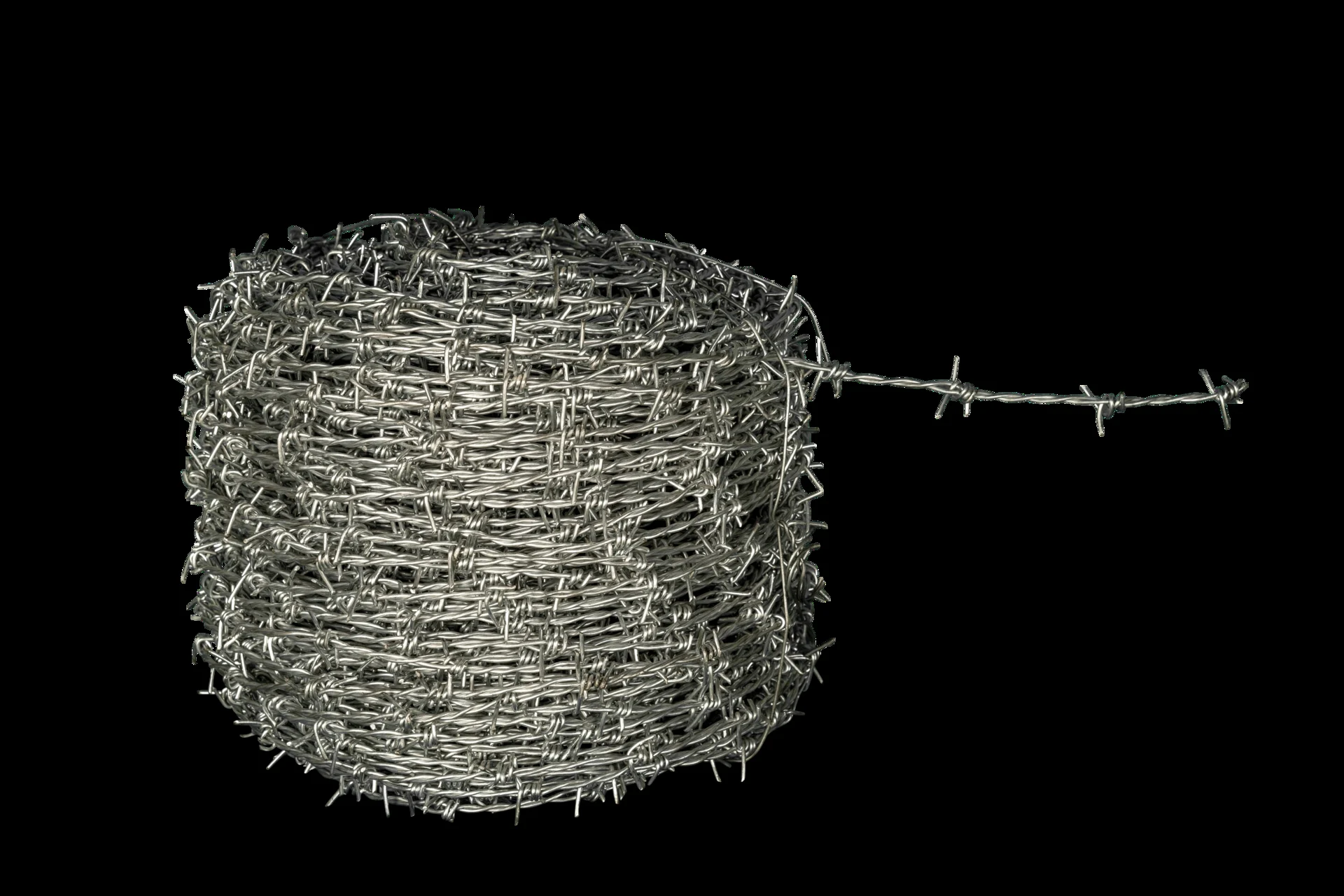
- Poultry and agriculture: GI cage mesh in light gauges and small apertures; farm boundary packages with chain link and barbed wire.
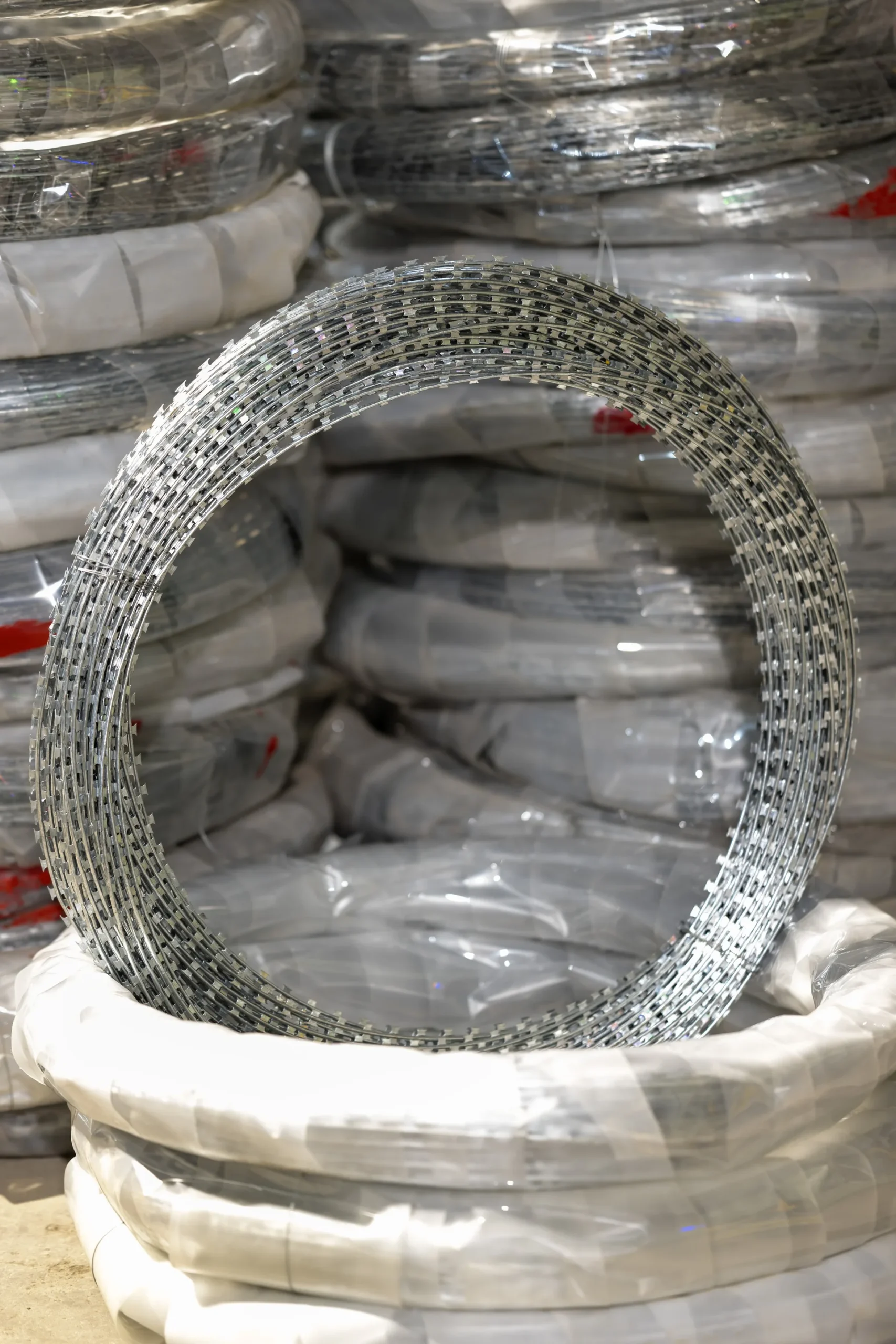
- Mining and heavy industry: strata support and rock-fall mesh, machine guards, plant perimeter fencing with concertina wire topping.
- Railways, power, and government departments: corridor fencing and station security supplied against tender specifications with test certificates.
- Fabricators and dealers: consistent stock sizes, repeat tolerances, and dealer support across Chhattisgarh, MP, Odisha, and pan-India.
Why Choose MM Industries?
- ISO 9001 certified manufacturing (see certificates)
- Bulk capacity with custom wire diameter, aperture, and panel size
- MS & GI from one plant, one accountability
- Pan-India dispatch from Raipur, central to the country’s freight network
- Dealer network and dealership support
- Technical consultation on specifications before you order, not after a failure
Contact us for quotations, catalogues, or a plant visit.
Frequently Asked Questions
Weldmesh is a steel wire grid in which every intersection is joined by electric resistance welding, producing a rigid mesh with fixed, uniform openings, supplied as panels or rolls.
Yes. Weldmesh, welded wire mesh, welded mesh, and welded wire fabric all describe the same resistance-welded grid product.
MM Industries manufactures wire diameters from 1.6 mm to 4 mm and mesh openings from 25×25 mm to 150×150 mm, in panels up to 8 ft height and rolls, with custom sizes on order.
Use 2.5–3 mm GI wire for general boundary fencing and 4 mm or heavier for security perimeters. Lighter wire (1.6–2 mm) is for cages and enclosures, not fencing.
Weight per square metre (wire diameter and aperture), coating type and zinc class, steel and zinc market rates, quantity, and delivery distance. Always compare quotes at equal weight and coating.
Weight rises with the square of wire diameter and falls with larger aperture. Use our weight calculator for exact kg/m² in mm or SWG.
Neither is universally better. Use MS for mesh embedded in concrete or kept indoors, and GI for anything exposed to weather. See the MS vs GI section.
It replaces secondary and distribution steel in slabs, screeds, pavements, and precast. Main reinforcement in beams, columns, and footings remains deformed-bar territory.
Weldmesh is welded and rigid with fixed openings; chain link is woven, flexible, and needs tensioning. Weldmesh suits security and cages; chain link suits long budget boundaries.
12.5×12.5 mm to 25×25 mm GI weldmesh in 1.6–2 mm wire is standard for cage floors and partitions, depending on bird age.
Bare MS weldmesh rusts outdoors. GI weldmesh resists rust for the life of its zinc coating; heavier coating classes last longer.
Typically 15–25 years in inland Indian climates, depending on zinc coating class and pollution levels. Coastal exposure shortens this unless heavy coating is specified.
Electro-galvanizing deposits a thin zinc layer on the wire; hot-dip immersion deposits a much thicker one. Our GI weldmesh is welded from coated wire, so specify the wire’s zinc class for the outdoor life you need.
Yes. An angle grinder or bolt cutter cuts it cleanly, and the welded joints stop the mesh from unravelling at the cut, unlike woven products.
Yes. It welds directly to angle, square tube, and flat frames, which is why fabricators use it for gates, grills, guards, and partitions.
Slab and screed reinforcement, crack control in industrial floors and pavements, precast elements, shotcrete and guniting support, and site boundary fencing.
Common sheets are 8’×4′ and 10’×5′ with heights up to 8 ft; we manufacture panels to custom dimensions against order.
Panels for flatness, structural duty, and framed fabrication; rolls for long fencing runs and light-gauge work where speed and freight economy matter.
50×75 mm and 75×75 mm is the general standard. Drop to 50×50 mm or smaller where anti-climb performance is required.
Yes. Rigid panels with small apertures resist climbing and cutting better than woven fencing, and pair with concertina wire topping for high-security perimeters.
The force a welded intersection withstands before the joint fails. It is sample-tested during production; poor weld shear shows up as popped joints during handling.
Yes. Wire diameter, aperture, panel size, roll length, and coating are all manufactured to order, subject to minimum quantities.
In Hindi it is commonly called welded jali or weld mesh jali. It is the square-opening welded wire jali used in fencing and construction.
Standard sizes ship from stock in small lots through dealers; custom manufacturing carries minimum quantities. Contact us with your requirement.
Related Products
CALCULATOR
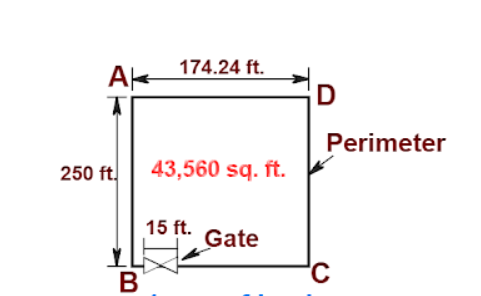
Calculators to estimate welded mesh weight and fencing boundary length based on your requirements.
BOUNDARY CALCULATOR
CALCULATE BOUNDARY LENGTH